Living in Old Naples Near the Beach and Downtown
May 7, 2026
May 7, 2026
If you picture Naples living as a series of long, easy days by the water, Olde Naples is one of the places where that idea feels especially real. This is a part of the city where the beach, downtown streets, parks, and historic homes all sit close together, shaping a daily routine that can feel both relaxed and well connected. If you are considering a move, a second home, or simply want to understand the area more clearly, this guide will help you see what everyday living in Olde Naples by the beach actually looks like. Let’s dive in.
Olde Naples is best understood as a compact coastal district rather than a single subdivision. City sources describe it as the part of Naples with many of the city’s original homes, generally set between Third Street South and the former Naples Beach Hotel and Golf Club area, and from U.S. 41 to the beach.
That geography matters because it creates a neighborhood where daily life can happen in shorter, simpler trips. Instead of feeling spread out, the area brings together residential streets, beach access, shopping, dining, parks, and civic spaces in a way that supports a walkable coastal routine.
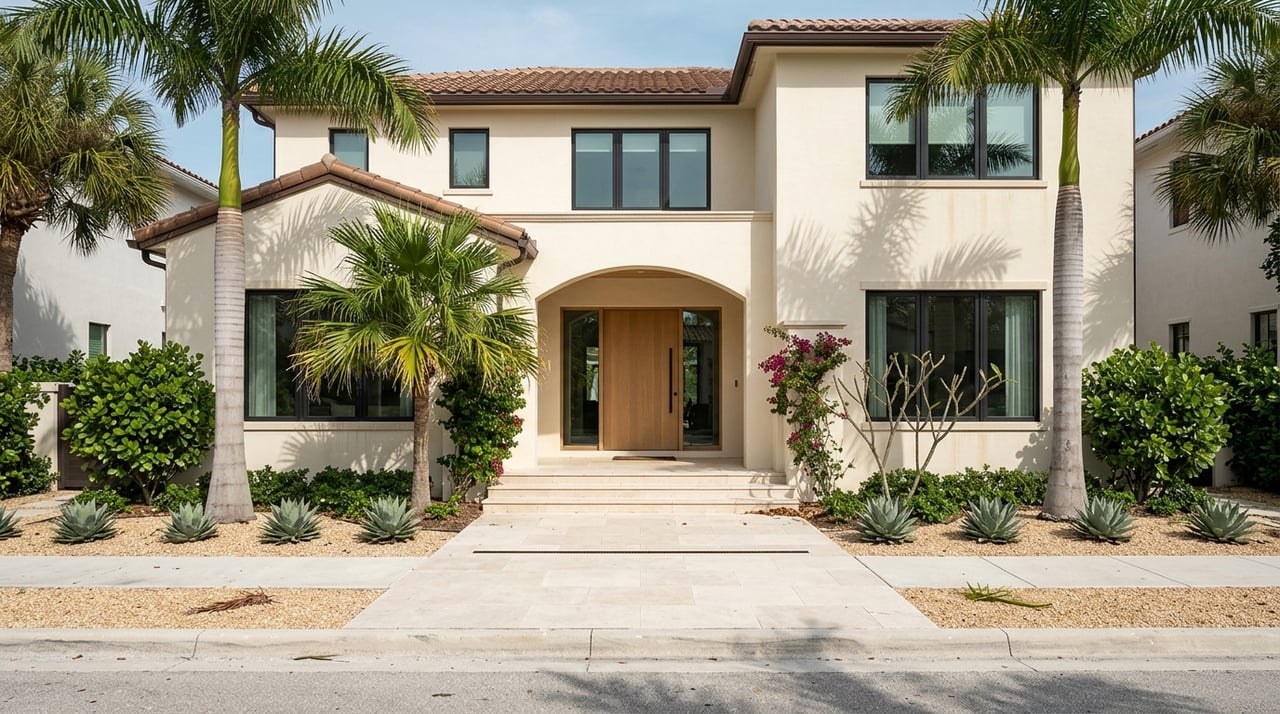
One of the first things you notice in Olde Naples is its layered look. The City of Naples and local history sources point to mature palms, original cottages, and a mix of older and newer homes, which gives the area a lived-in coastal character rather than a uniform master-planned feel.
That historic identity is not just visual. Historic Palm Cottage, built in 1895, is recognized as Naples’ oldest house, and local preservation rules help protect historic districts and resources. In practical terms, that means the neighborhood’s look and feel have been shaped over time by preservation as well as new investment.
If you expect one fixed architectural style, Olde Naples may surprise you. Preservation materials from the Naples Historical Society describe a range that includes Frame Vernacular homes, Craftsman bungalows, minimal traditional houses, ranch homes, and secondary buildings like guesthouses, garages, and carriage houses.
That variety can be part of the appeal for buyers who value individuality and neighborhood texture. Olde Naples often feels less like a showroom and more like a real coastal neighborhood with a long design history.
Living by the beach in Olde Naples is not just about views. It is about how often the shoreline becomes part of your normal day, whether that means an early walk, sunset time, or a quick stop between other plans.
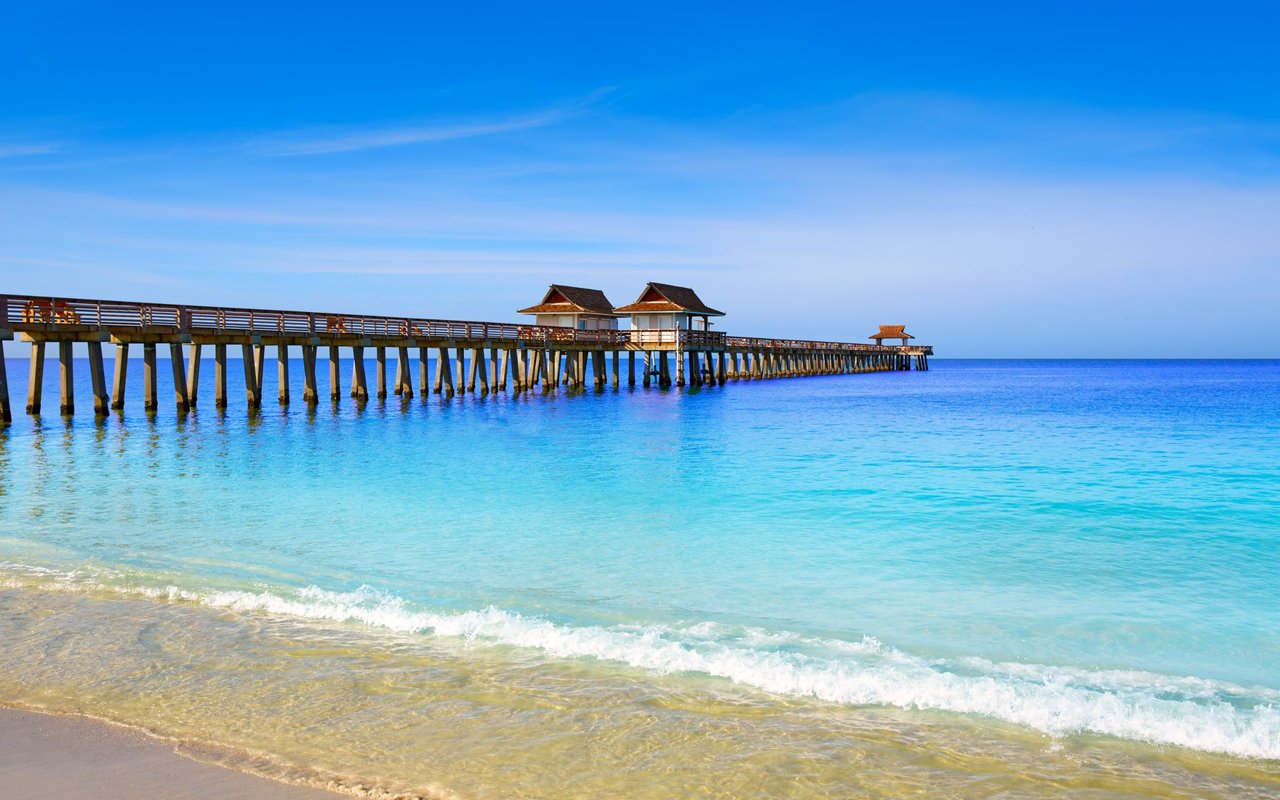
The Naples Pier sits at the west end of 12th Avenue South and remains a major reference point for the area, though the city’s current information notes that the pier is closed for a rebuild project. Pedestrian bypasses are open at Broad Avenue South and 13th Avenue South, which helps keep shoreline access part of the neighborhood rhythm.
The city is also restoring 30 of its 40 beach access points, with a design approach centered on a more natural Old Florida aesthetic. That ongoing work shows that the beach edge is not only a scenic asset but also an actively maintained part of daily life in this area.
If you plan to drive to the beach rather than walk, it helps to understand the logistics. According to the City of Naples, beach parking requires a resident or visitor permit or pay-by-space year-round, and 24 beach ends are reserved for permit holders only.
For full-time residents, part-time owners, and guests, this is a useful detail because it shapes how you use the shoreline on busy days. In a neighborhood like Olde Naples, many people find that proximity itself becomes one of the biggest lifestyle advantages.
Everyday living in Olde Naples is not only about the sand and water. It is also about being close to one of Naples’ best-known downtown corridors.
Fifth Avenue South stretches from Tamiami Trail to the Gulf of Mexico and is described by the district as home to fashion, jewelry, spas, gifts, artwork, home décor, dining, and entertainment. The street is also known for its pedestrian-friendly layout, tropical landscaping, and blend of historic and modern architecture.
For residents, that means errands, lunch plans, evening dinners, and casual strolls can all happen close to home. It adds convenience, but it also gives the neighborhood a social rhythm that many buyers are looking for.
If Fifth Avenue South brings broader downtown energy, Third Street South offers a smaller-scale counterpart. Its district describes the area as being two blocks from the Naples Pier and Gulf beaches, surrounded by original beach cottages and old houses.
The year-round Saturday farmers market is one of the clearest examples of everyday neighborhood life here. Residents and visitors come for produce, prepared foods, flowers, artisan goods, brunch, and shopping, which makes the area feel active without losing its local character.
Olde Naples also benefits from nearby civic and recreational spaces that support a fuller day-to-day lifestyle. Cambier Park, located in downtown Naples just south of Fifth Avenue South, includes shuffleboard, bocce, tennis, a bandshell, and open green space.
Nearby, the Norris Community Center adds an arts and learning dimension with an art gallery and classes in watercolor, painting, dance, acting, and languages. For many buyers, this is part of what makes the area feel easy to live in beyond the peak season or vacation months.
Even if you are not looking directly on the water, boating still feels close to daily life in this part of Naples. Naples City Dock in Crayton Cove is minutes from downtown and the Fifth Avenue South and Third Street South districts.
The city notes that the dock includes fuel, pump-out, bait, showers, and charter access. That makes it easier to picture a lifestyle that mixes beach walks, downtown dining, and time on the water without requiring a long drive across town.
For many buyers, the appeal of Olde Naples comes down to the way several lifestyle priorities overlap in one place. You have beach access, walkable commercial streets, park space, cultural amenities, and a historic residential setting within a compact footprint.
That combination can be especially compelling if you want a home that supports both relaxed daily living and long-term value. In a neighborhood where preservation, location, and design all play visible roles, the experience of ownership is often about more than square footage alone.
In practical terms, everyday living in Olde Naples often means your plans do not need to be complicated. A morning might start with a walk near the beach, continue with coffee or errands downtown, and end with dinner on Fifth Avenue South or a stop by Third Street South.
That does not mean every street or property feels the same. Because the neighborhood includes historic homes, newer homes, and a range of architectural styles, the right fit depends on how you balance beach proximity, design preferences, privacy, and ease of access to nearby activity.
If you are considering buying in Olde Naples, it helps to look beyond appearance alone. In a neighborhood with preservation influence and a varied housing stock, details like setting, street feel, walkability, and how a home connects to your daily routine can matter just as much as finishes or size.
This is also where local guidance can make a real difference. In a market like Naples, especially in close-in coastal neighborhoods, understanding lifestyle fit and long-term value together often leads to better decisions.
If you are exploring Olde Naples or comparing it with other close-in coastal neighborhoods, working with a team that understands design, location nuance, and the rhythm of Naples living can help you move with more clarity. To start a private conversation, connect with Teresa Krapf.
Stay up to date on the latest real estate trends.


As real estate advisors with a background in investing and development, we provide a unique perspective, guiding our clients beyond transactions and focusing on long-term value, quality, and lifestyle.
Licensed Florida Real Estate Company
Teresa Krapf-Dobr
T: (239) 367-2896
[email protected]
Lukas Krapf-Dobr
L: (239) 888-9254
[email protected]
Address
1164 Goodlette Rd N
Naples FL 34102