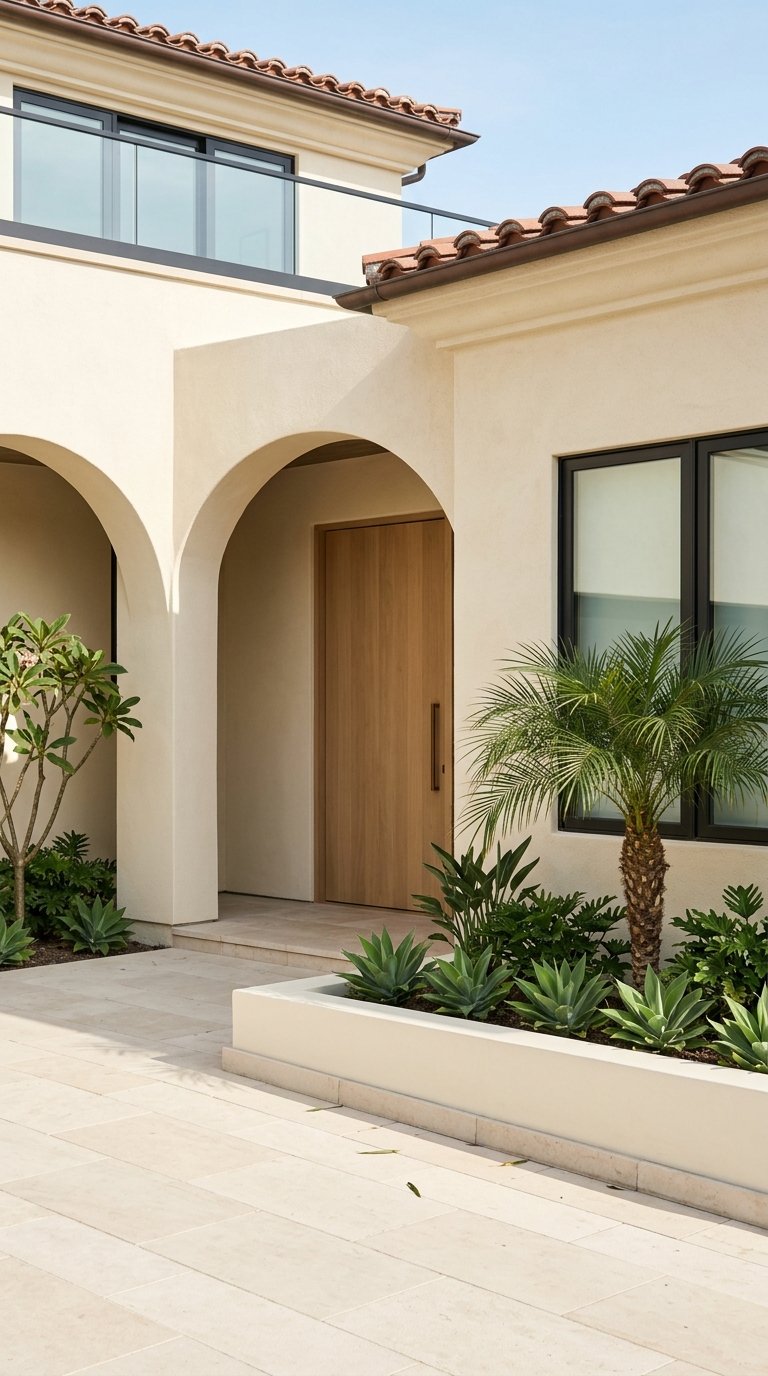
Aqualane Shores Home Styles Shaping Waterfront Living
July 2, 2026
July 2, 2026
If you are drawn to Aqualane Shores, you are probably not looking for just one architectural style. You are looking for a home that feels right on the water, fits the rhythm of Naples living, and holds its value through thoughtful design. In this neighborhood, the real story is how architecture responds to setting, lifestyle, and coastal conditions. Let’s dive in.
Aqualane Shores is a waterfront neighborhood in the City of Naples, located between Port Royal and Old Naples. The neighborhood is known for deep-water channels and coves, and many homes offer direct or near-direct Gulf access. It is also close to the beach, Third Street South, and Fifth Avenue South, which adds to its everyday appeal.
That setting shapes the homes in a very direct way. In Aqualane Shores, architecture is not just about the front elevation or a style label. It is about how the house connects to the water, the street, and outdoor living.
One of the most important things to understand about Aqualane Shores is that it is not stylistically uniform. You will see newer coastal-contemporary homes beside older Mediterranean residences, along with traditional and transitional properties. That mix gives the neighborhood a layered, established character rather than a one-note look.
Development in Aqualane Shores began in 1949, which helps explain that variety. Some homes are entirely new, while others have been updated over time. As a result, buyers often find a wider range of architectural expression here than they expect.
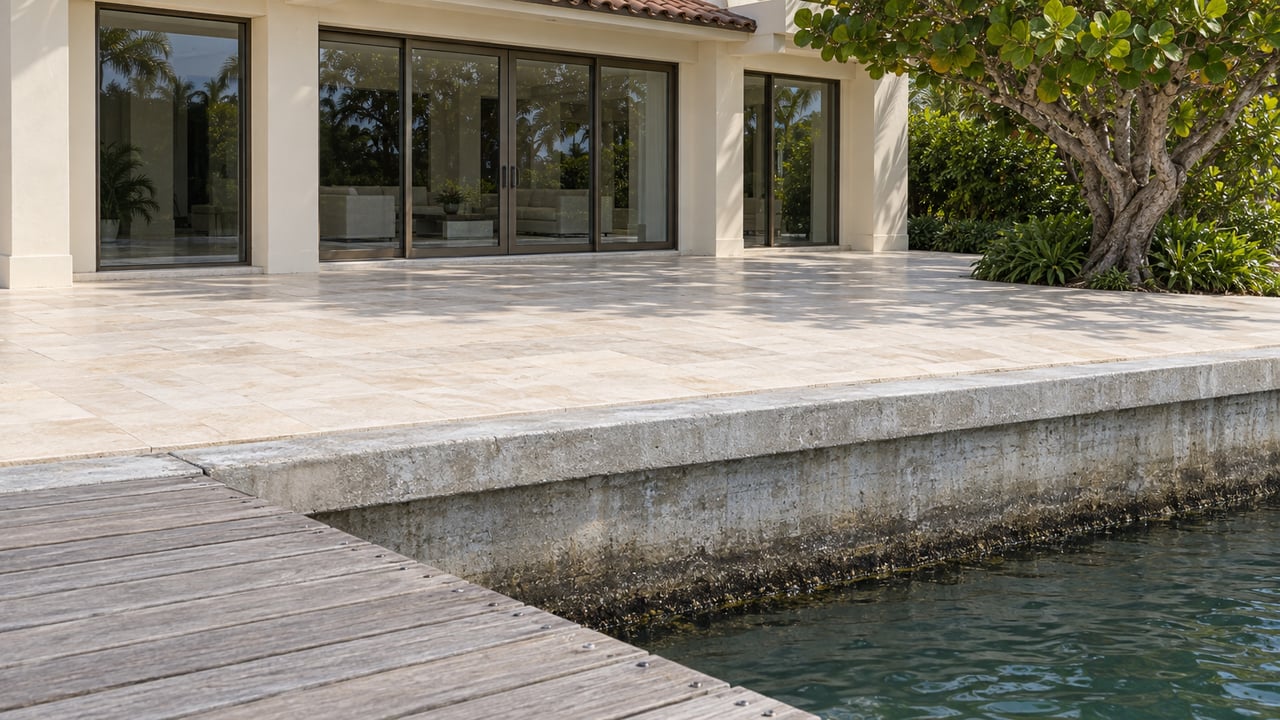
Among newer luxury homes, coastal contemporary is one of the strongest themes. These homes often use clean lines, large expanses of glass, open layouts, and warm natural materials. The goal is usually simple: bring in light, frame the water, and make indoor and outdoor living feel seamless.
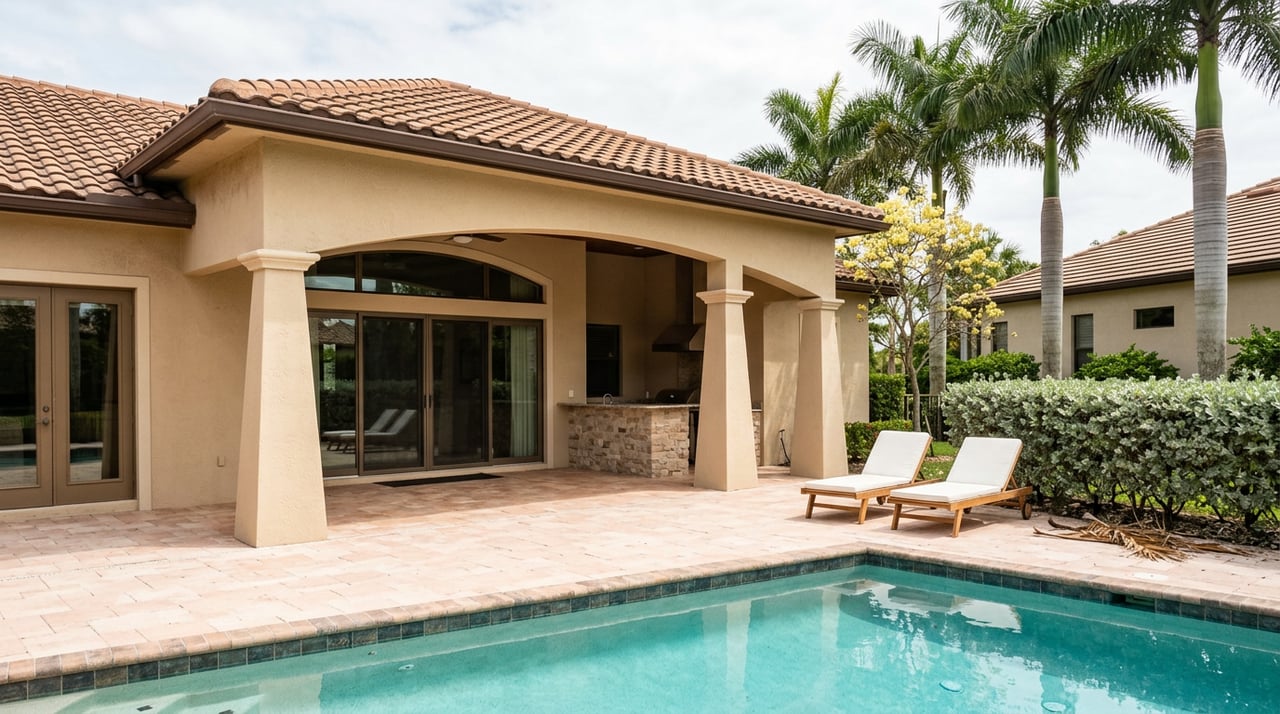
In published Aqualane Shores homes, this style often includes white oak floors, tailored millwork, custom cabinetry, and floor-to-ceiling or pocketing glass doors. Outdoor areas are treated as part of the design, with covered terraces, pools, spas, summer kitchens, and direct dock access built into the overall plan.
Coastal contemporary works well in Aqualane Shores because the neighborhood rewards openness and connection to the rear of the property. Long water views, canal frontage, and outdoor entertaining spaces all benefit from large glazing and flexible living areas. In many cases, the architecture is designed as much for the canal side as for the street side.
This style also reflects how many luxury buyers want to live today. Open kitchens, airy great rooms, and strong indoor-outdoor flow support both quiet daily living and larger gatherings.
Another common design language in Aqualane Shores is transitional coastal. This approach often keeps a more traditional overall shape while simplifying the detailing and adding more contemporary glass and openness. It can feel especially appealing if you want classic curb appeal without a heavily ornate look.
In one published example, the home was described as more traditional in massing but updated with dark window frames, generous glazing, and an open plan oriented toward long water views. That combination is a useful way to understand the style. It blends familiarity with modern livability.
Transitional coastal homes often stand out for balance. They can feel polished without being stark and current without feeling overly trendy. In a neighborhood with both older and newer homes, that middle ground can feel very natural.
This style also tends to age well visually. Because it mixes classic proportions with updated materials and planning, it often appeals to buyers who value both comfort and long-term design relevance.
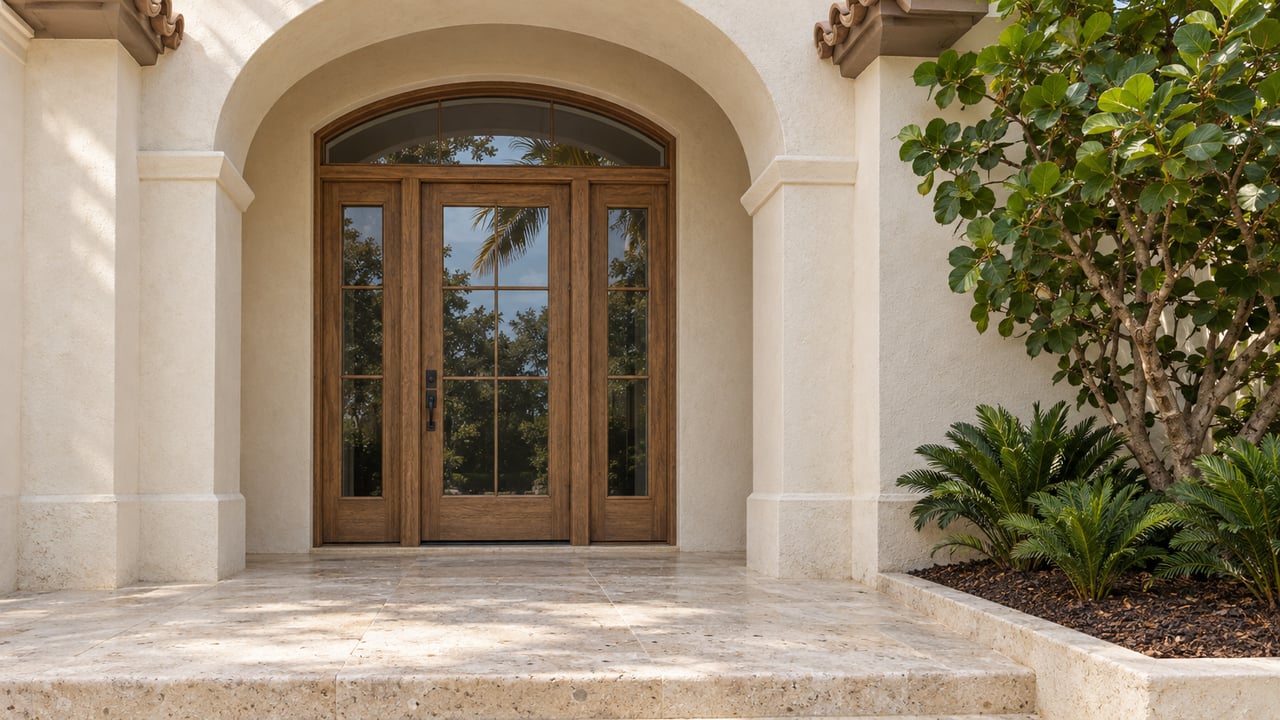
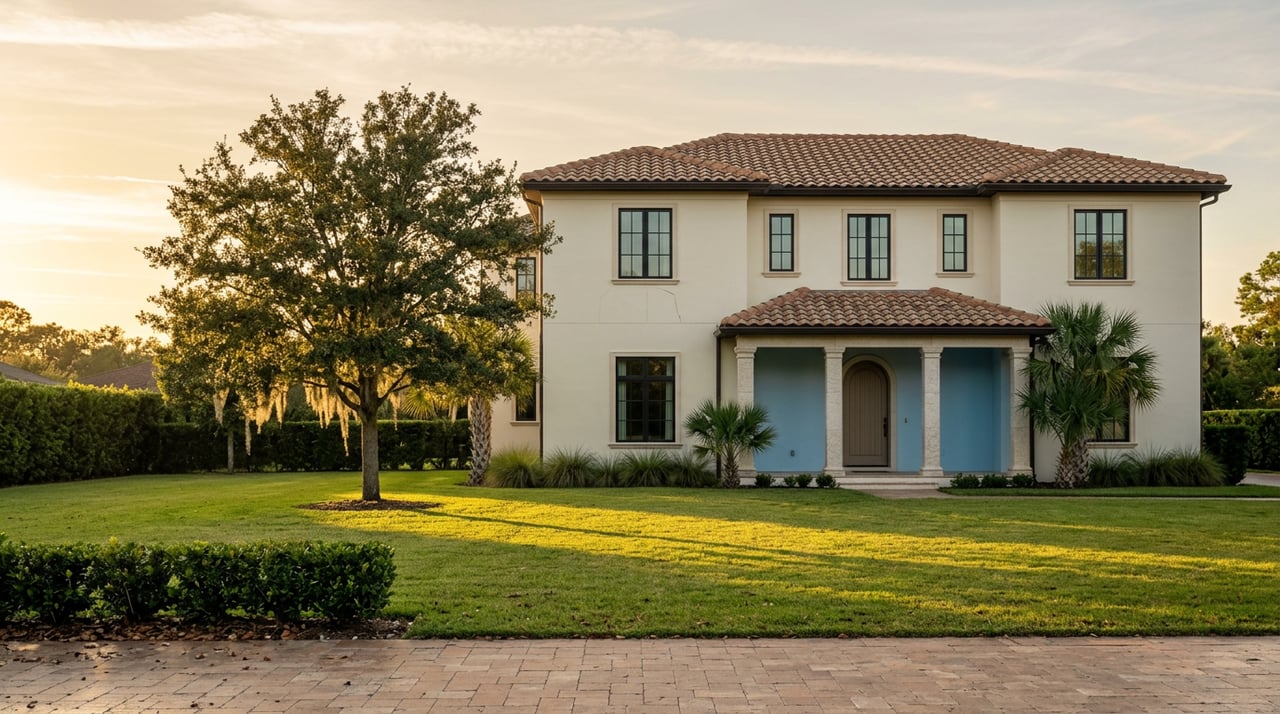
Aqualane Shores also includes homes with Mediterranean, traditional, and Mizner-influenced character. These properties often bring a more formal or composed presence to the street. You may see courtyard arrivals, limestone, stucco, tile roofs, wrought-iron elements, and richly detailed ceilings or cabinetry.
In one featured Aqualane Shores estate, the home was described as traditional and Mizner-influenced, with hand-painted Spanish-style tile, a wrought-iron staircase, American Clay walls and ceilings, and a pecky cypress ceiling in the living room. These details show that luxury in Aqualane Shores is not limited to modern minimalism.
Traditional and Mediterranean homes remain relevant because they suit Naples’ long architectural history and offer a strong sense of arrival. In Aqualane Shores, these homes often present a quieter and more restrained front elevation, which fits the neighborhood well. The architecture can feel elegant from the street while still opening dramatically toward the water.
For some buyers, that combination is especially compelling. You get timeless curb appeal in front and relaxed waterfront living in back.
Not every important home in Aqualane Shores is brand new. Many older homes are updated rather than replaced, and that is a major part of the neighborhood’s visual identity. A renovation may keep the original shell or façade while reshaping the interiors with newer finishes, better flow, and a lighter palette.
Recent design coverage points to 1990s Mediterranean homes being transformed with elements such as molding, paneling, black window casings, chevron oak floors, marble, darker woods, and more layered natural materials. This tells you something important about the neighborhood: architectural value here can come from reinvention as much as from new construction.
In many neighborhoods, curb appeal is almost entirely about the front of the home. In Aqualane Shores, the rear elevation often matters just as much, if not more. Waterfront orientation, dock access, canal views, and outdoor entertaining space all shape how the home is designed and experienced.
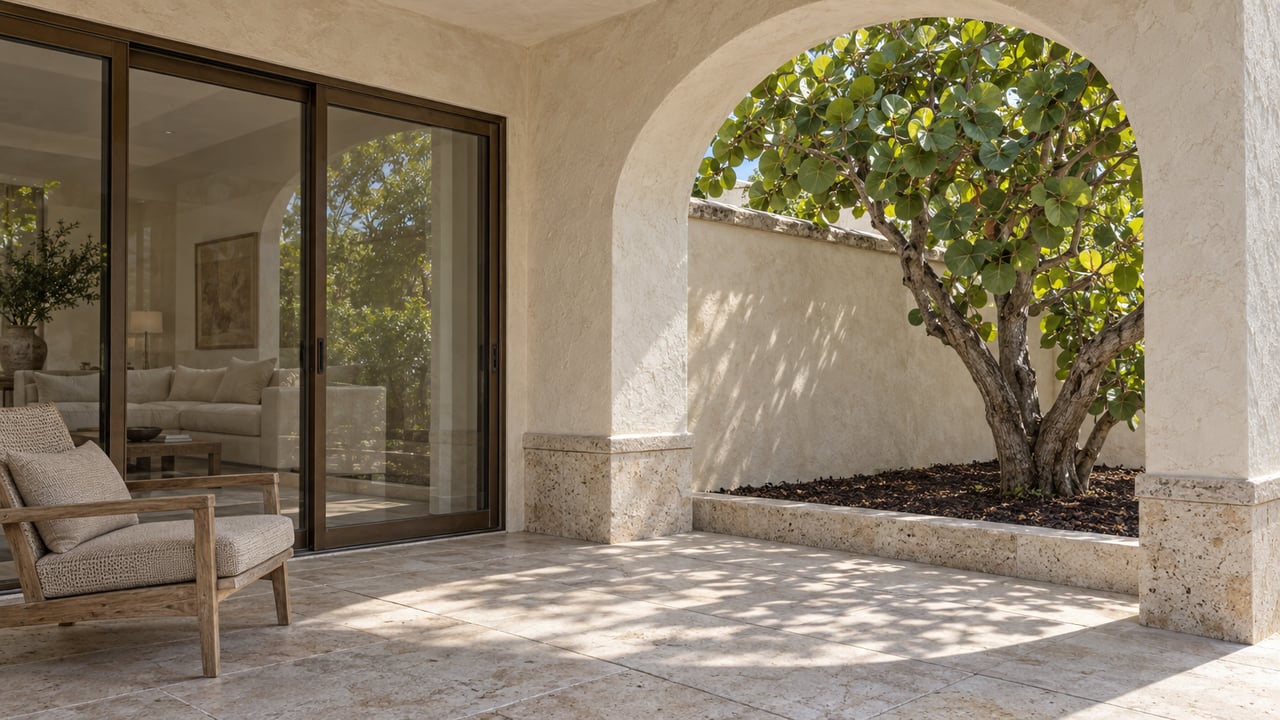
Published homes in the neighborhood emphasize southwest-facing rear exposure, retractable sliders, covered lanais, terraces, balconies, pools, spas, and fire features. These are not secondary amenities. They are central architectural elements that define how the home lives.
If you are evaluating a home in Aqualane Shores, it helps to look beyond style labels and study how the layout meets the water. Ask how the main rooms capture the view, how easily the living areas open outside, and how the dock and terrace relate to the house. In this neighborhood, those choices are often more important than whether the home is labeled contemporary or traditional.
That is also why two homes in very different styles can both feel successful here. What matters most is how well each one translates the waterfront setting into everyday livability.
Across different styles, many Aqualane Shores homes share a similar material approach. Luxury finishes are often balanced with natural textures so the spaces feel refined but still comfortable. Common elements include limestone, marble, quartzite, white oak, wood beams, built-ins, cove lighting, and dark window trim.
This is one reason the neighborhood can support such a broad design mix. Whether a home is coastal contemporary or more traditional, the best examples tend to avoid feeling cold or overly formal. They combine polish with warmth.
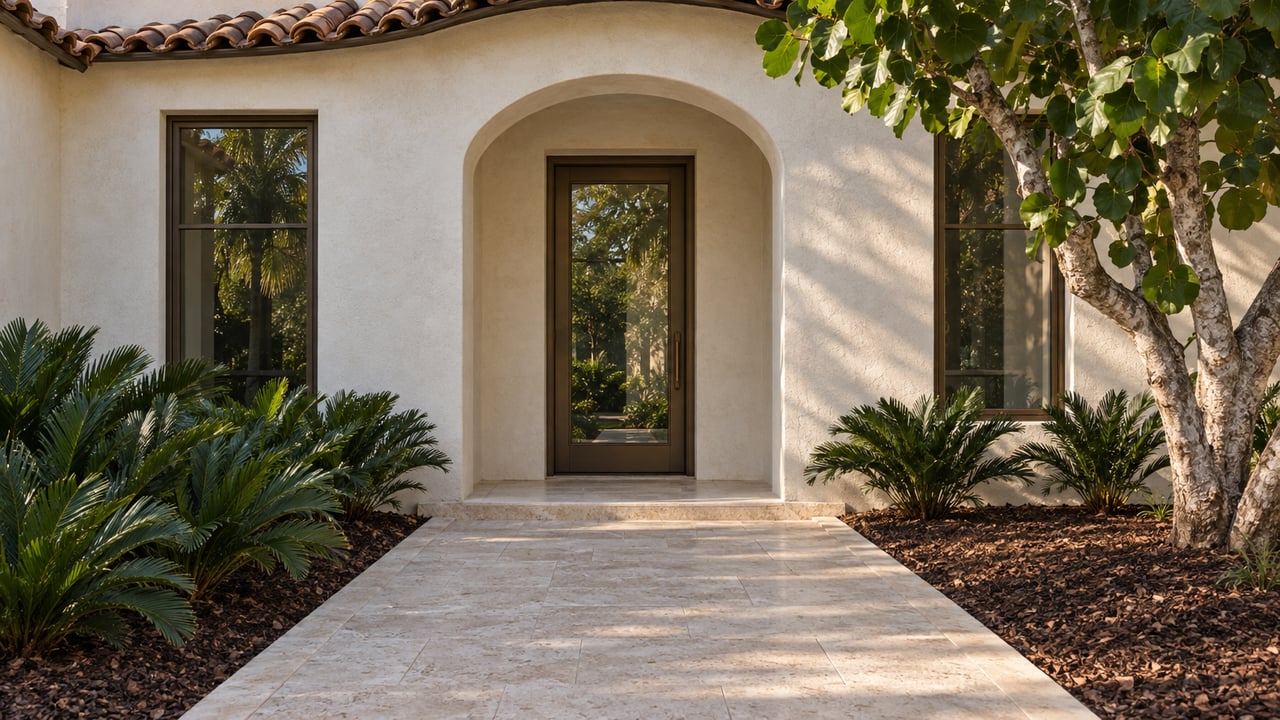
One subtle theme in Aqualane Shores is that front-facing curb appeal is often composed rather than flashy. Courtyard entries, layered landscaping, stucco or stone finishes, tile roofs, and dark casings create a quiet confidence from the street. The more dramatic architectural moments are often saved for the water-facing side.
That restraint gives the neighborhood an understated luxury feel. It is not trying to overwhelm at first glance. Instead, many homes reveal their strongest design features as you move through them toward the water.
Aqualane Shores is part of a low-lying area where stormwater conditions are affected by gravity discharge connections and tides. The City of Naples also places the neighborhood within its floodplain management framework. In practical terms, that helps explain why drainage, seawalls, and durable outdoor planning are meaningful parts of home design here.
The city also requires marine permits for riprap, and riprap must be placed at the base of new or repaired seawalls on natural waterways. While these details may sound technical, they are part of what makes waterfront architecture in Aqualane Shores distinct. Design here is not only about beauty. It also responds to the realities of the site.
Although waterfront living is central to Aqualane Shores, the neighborhood experience is not limited to boating and views. Its location near downtown Naples destinations and the beach adds walkability to the appeal. City planning priorities such as curb extensions, traffic calming, and a marked pedestrian crossing also show that how people move through the neighborhood matters.
That affects architecture in small but important ways. Entry sequence, garage placement, landscaping, and street-facing presentation all play a role in how a home fits into the neighborhood fabric.
If you are buying in Aqualane Shores, it helps to think beyond a single style preference. The better question is often which home best translates the waterfront setting into privacy, comfort, and long-term appeal. A sleek modern house, a transitional coastal residence, or a refined Mediterranean home can all work beautifully here if the design responds well to the lot and water.
If you are selling, architectural positioning matters. Buyers in this neighborhood tend to notice orientation, outdoor living, dock integration, finish quality, and the relationship between front and rear elevations. A thoughtful presentation should show not just what the home looks like, but how it lives in Aqualane Shores.
In a neighborhood this design-driven, subtle differences can shape perception and value. That is why careful guidance, local knowledge, and architectural literacy matter.
If you are considering buying or selling in Aqualane Shores, Krapf Group offers thoughtful, discreet guidance rooted in Naples luxury real estate and a strong understanding of design-led waterfront homes.
Stay up to date on the latest real estate trends.


As real estate advisors with a background in investing and development, we provide a unique perspective, guiding our clients beyond transactions and focusing on long-term value, quality, and lifestyle.
Licensed Florida Real Estate Company
Teresa Krapf-Dobr
T: (239) 367-2896
[email protected]
Lukas Krapf-Dobr
L: (239) 888-9254
[email protected]
Address
1164 Goodlette Rd N
Naples FL 34102